
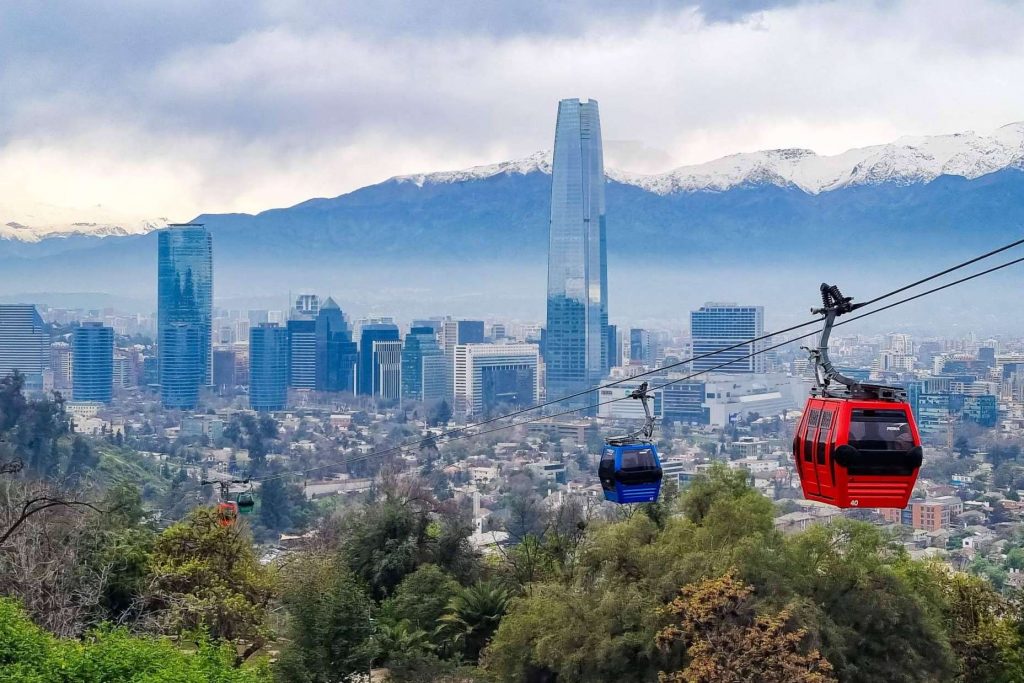
A city between the Andes and the Pacific, where archaeology, urban life, food and landscapes meet.
Food & Local Cuisine
Shaped by Indigenous traditions, Spanish colonial influences, and later European migration, Santiago’s cuisine is varied, seasonal, and closely tied to central Chile’s agricultural landscapes. While often understated compared to some Latin American food cultures, Chilean cooking emphasises quality ingredients, balance, and practicality.
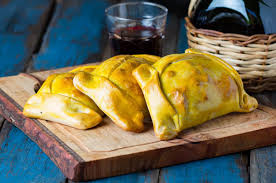
Typical dishes include empanadas de pino (baked pastries filled with beef, onions, egg, olive and raisin), pastel de choclo (a baked maize dish layered with meat, chicken, egg and olives), and cazuela (a clear broth with meat, potatoes, maize and pumpkin). Seafood also features strongly, even inland, with dishes such as congrio frito (fried conger eel) and mariscal, a chilled seafood broth. Everyday foods like completos (Chilean hot dogs with avocado, tomato and mayonnaise) and sopaipillas (fried pumpkin dough, often served with pebre or chancaca sauce) are widely available and culturally significant rather than merely fast food.
Sweet dishes tend to be simple but distinctive. Common options include leche asada (baked custard), kuchen (fruit cakes influenced by German settlers), alfajores filled with manjar (dulce de leche), and mote con huesillo, a traditional non-alcoholic drink made from wheat and dried peaches. Many cafés and bakeries are concentrated in central neighbourhoods and near university areas.
A wide range of lunch options, from sit-down restaurants to small picadas, bakeries, cafés and supermarkets, can be found throughout central Santiago and close to major university buildings.
Tip: Local picadas and small lunchtime eateries often offer set menus at very reasonable prices. These provide a reliable way to try traditional dishes cooked in a domestic style.
Chilean wine, pisco and beer
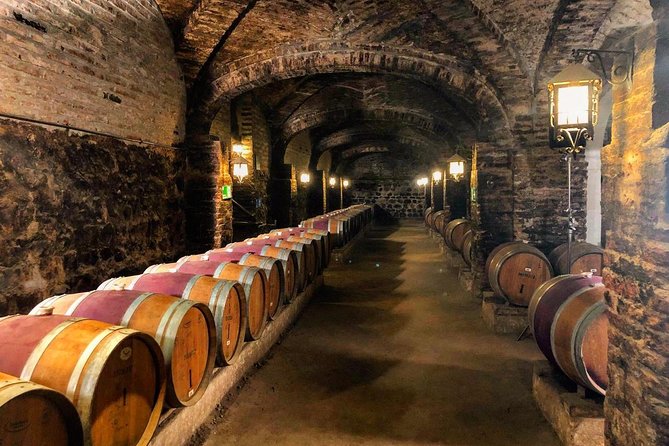
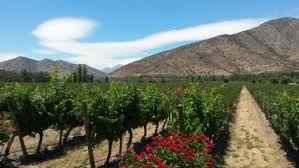
Chile is internationally recognised for its wine, and Santiago sits close to several major wine-producing valleys. Restaurants typically offer local wines at accessible prices, and even modest venues tend to serve good-quality bottles. A distinctive feature of Chilean drinking culture is pisco, a grape-based spirit most commonly consumed as a pisco sour, often flavoured with lemon or local fruits.
Beer consumption has increased significantly in recent decades, with both established national brands and a growing craft beer scene. Brewpubs and bars serving local beers are common, particularly in neighbourhoods such as Lastarria and Bellavista.
Bars and nightlife
Santiago’s nightlife is diverse, ranging from relaxed wine bars and neighbourhood pubs to large clubs and live music venues. The atmosphere tends to be informal, with a strong emphasis on socialising rather than spectacle. Rooftop bars and terrace venues are increasingly popular, offering views across the city towards the Andes when weather permits.
After a long conference day, it is usually enough to walk a short distance from the venue to find a café, bar, or wine spot suitable for a quiet drink or informal conversation.
Neighbourhoods and orientation
Santiago is a large and geographically spread city, structured around distinct neighbourhoods rather than a single compact centre. The historic core contains major civic buildings and museums, while cultural life, cafés, and evening activity are more concentrated in central-eastern districts such as university areas and mixed residential zones.
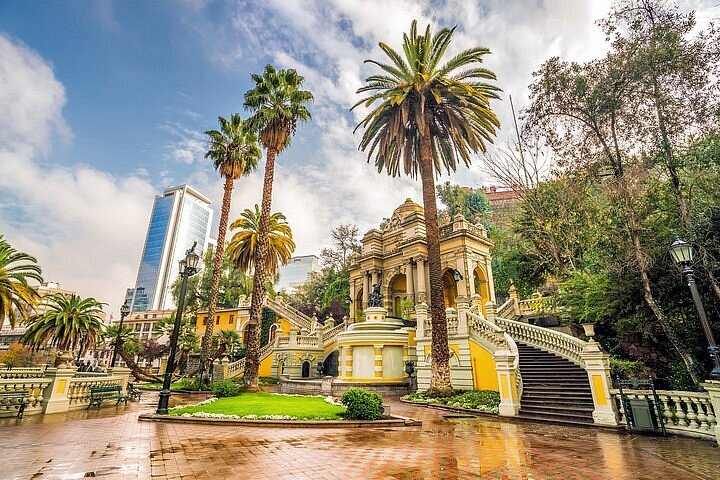
Distances can be deceptive: places that appear close on a map may require public transport due to major roads or elevation changes. Most conference venues are well connected by metro, and nearby neighbourhoods typically offer a good mix of food, services, and accommodation without the need for long journeys.
Climate and practicalities
Santiago has a dry Mediterranean climate with strong seasonal contrasts. Summers are hot and sunny, with limited shade in many areas, while winters are cooler and can bring air quality issues due to temperature inversions.
Visitors are advised to:
- Carry water and sun protection during warmer months
- Be prepared for sudden temperature drops in the evening
- Check daily air quality reports if sensitive to pollution
Rain is rare for much of the year, but when it occurs, urban drainage can be uneven.
Day trips and downtime
Santiago’s location allows easy access to contrasting landscapes within a short distance. The foothills of the Andes lie close to the city, offering walking trails and viewpoints, while nearby valleys are known for vineyards and rural towns.
The Pacific coast is also reachable for day trips, though travel times can vary with traffic. These options are best suited to days before or after the conference rather than during a full programme.
Safety and common sense
Santiago is generally safe by Latin American urban standards, but visitors should exercise normal city precautions. Pickpocketing can occur in crowded areas and on public transport, particularly at peak times.
It is advisable to:
- Keep valuables secure and out of sight
- Use well-lit streets at night
- Rely on licensed taxis or ride-hailing services if travelling late
Awareness rather than anxiety is the key principle.
Accessibility and inclusion
Accessibility varies across the city. Many metro stations have lifts and step-free access, though not all entrances are equally equipped. Pavements can be uneven, particularly in older areas, and street crossings may be wide.
Families, wheelchair users, and those with mobility considerations may wish to plan routes in advance and allow additional travel time. Cafés and public buildings increasingly provide accessible facilities, but consistency cannot be assumed.