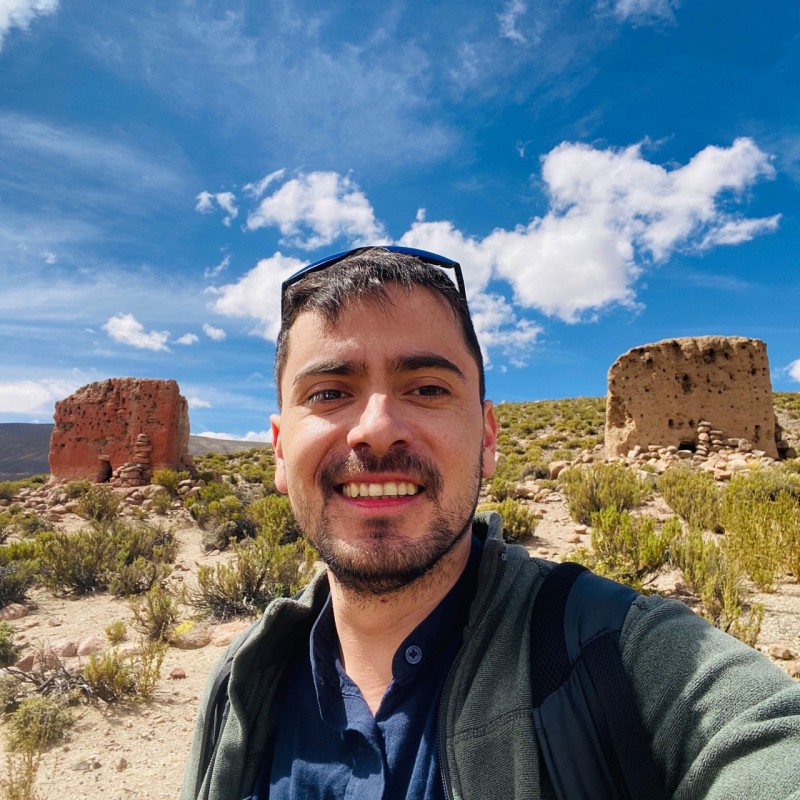
Dr. Cristian González Rodríguez
Chair, CAA2027
Cristian González Rodríguez is a Chilean archaeologist and researcher specialising in Andean funerary architecture and ritual landscapes. Trained at the University of Chile, with an MSc in Computational Archaeology and a PhD from the UCL Institute of Archaeology, his work focuses on chullpas and social organisation in the Andes. His research combines computational methods, digital innovation, and collaborative work with Indigenous communities across Bolivia, Chile, and Peru.
As Chair of CAA2027, Cristian coordinates the overall organisation of the conference, strategic planning, and liaison with CAA International.
Dr. Eduardo Herrera Malatesta
CAA Membership Secretary | Founder of the CAA Latin America and Caribbean Chapter
Dr. Herrera Malatesta is a Venezuelan archaeologist who graduated from the Central University of Venezuela (2004). He holds master’s degrees in anthropology from the Venezuelan Institute for Scientific Research (2010) and in geographic information systems in archaeology from University College London (2011). He earned his doctorate in 2018 from Leiden University (Netherlands). His research intersects computational modelling, digital humanities, and the history of indigenous landscapes in Latin America and the Caribbean. He is currently an Assistant Professor in Computational Archaeology at Leiden University.
Eduardo currently serves as Membership Secretary of CAA International. Within CAA2027, he supports international coordination and engagement with the global CAA community.
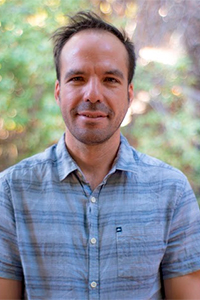
Dr. Pablo Méndez-Quiros Aranda
Local Organising Committee Coordinator
Pablo Mendez-Quiros Aranda is a Chilean archaeologist and academic currently based at the University of Chile, where he serves in the Department of Anthropology. His work sits broadly within Andean archaeology and landscape studies, with a strong focus on prehistoric populations, settlement dynamics and infrastructure in the Atacama Desert and surrounding regions.
Pablo coordinates local institutional support, venue logistics, and collaboration with the University of Chile.
Dr. Kornelius Kupczik
University Relations Coordinator
Kornelius Kupczik is a biologist and academic at the University of Chile specialising in human evolution, palaeoanthropology, dental anthropology, and functional morphology. He trained at the University of Hamburg and obtained his PhD in Vertebrate Palaeontology from the UCL Institute of Archaeology. His research focuses on the microevolutionary processes underlying dietary evolution in past and present human populations, combining the analysis of skeletal and dental remains with experimental and comparative approaches using animal models.
Kornelius supports institutional coordination within the University of Chile and contributes to conference infrastructure and facilities planning.

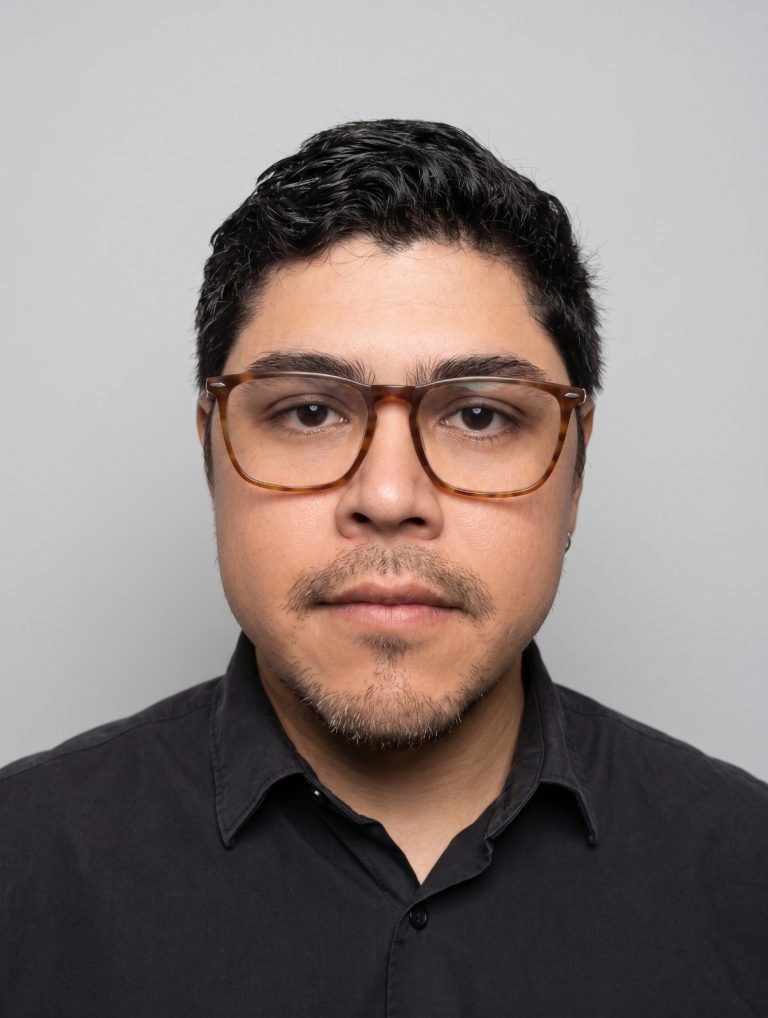
Dr. Adrián Oyaneder
Regional Engagement and Sponsorship Coordinator
Adrián Oyaneder is an Assistant Professor in the Anthropology Department at the Universidad de Tarapacá, where he directs the newly established Digital Humanities Lab. He is a Chilean archaeologist with a primary focus on Andean studies and has extensive field and research experience spanning Chile, Argentina, Sri Lanka, and the UK.
His work bridges traditional archaeology and computer applications by integrating Geomatics, Geohumanities, and Digital Humanities to study, preserve and steward cultural heritage.
Adrián coordinates regional engagement initiatives, sponsorship opportunities, and workshop development.
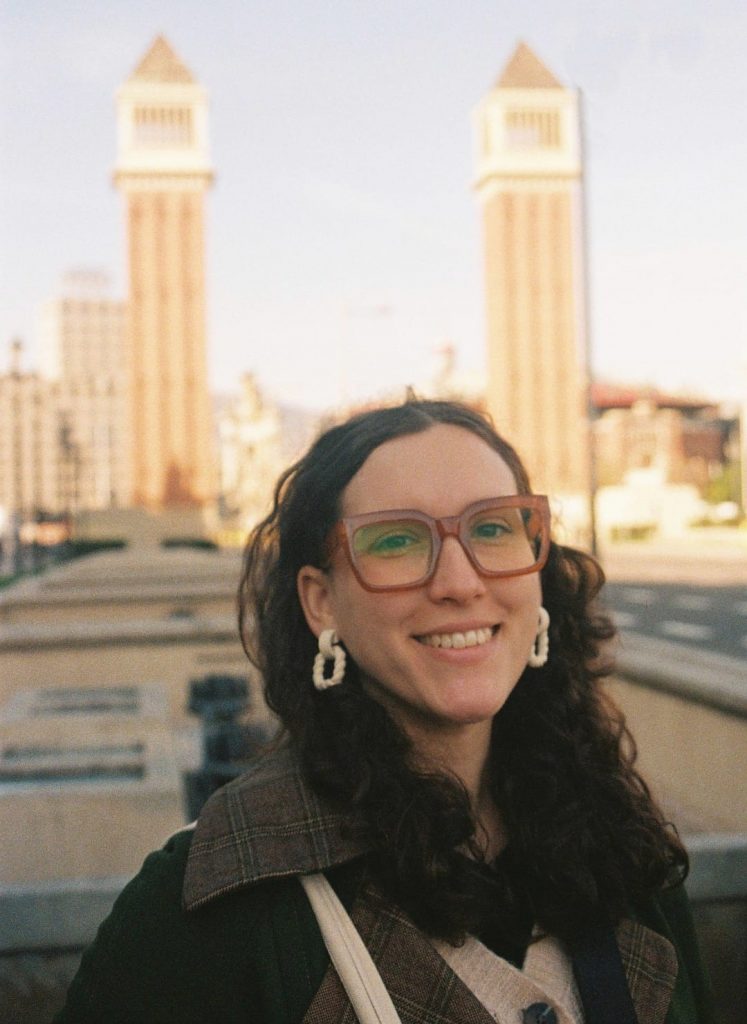
Margarita Romero Miranda
Outreach and Communications Committee
Margarita is an anthropologist from the Universidad Nacional de La Plata (Argentina) and a specialist in Remote Sensing and Geographic Information Systems (MSc, Universitat Autònoma de Barcelona). She is an independent researcher focusing on spatial analysis and the generation of predictive archaeological models. She is currently based in Barcelona, working for a company on the development of geospatial solutions for change detection and environmental risk management.
Margarita supports outreach, communications, and international engagement activities for CAA2027.